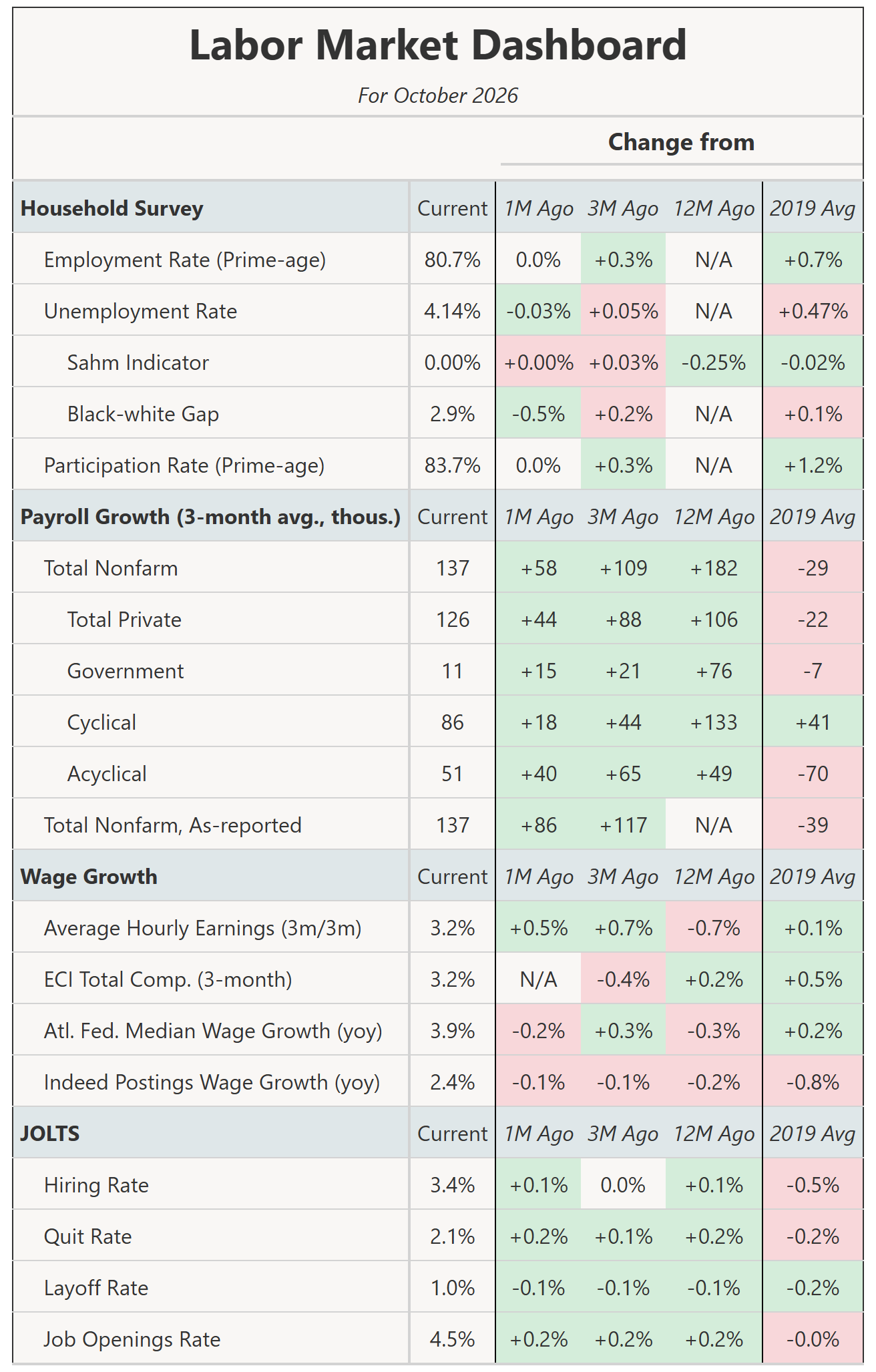
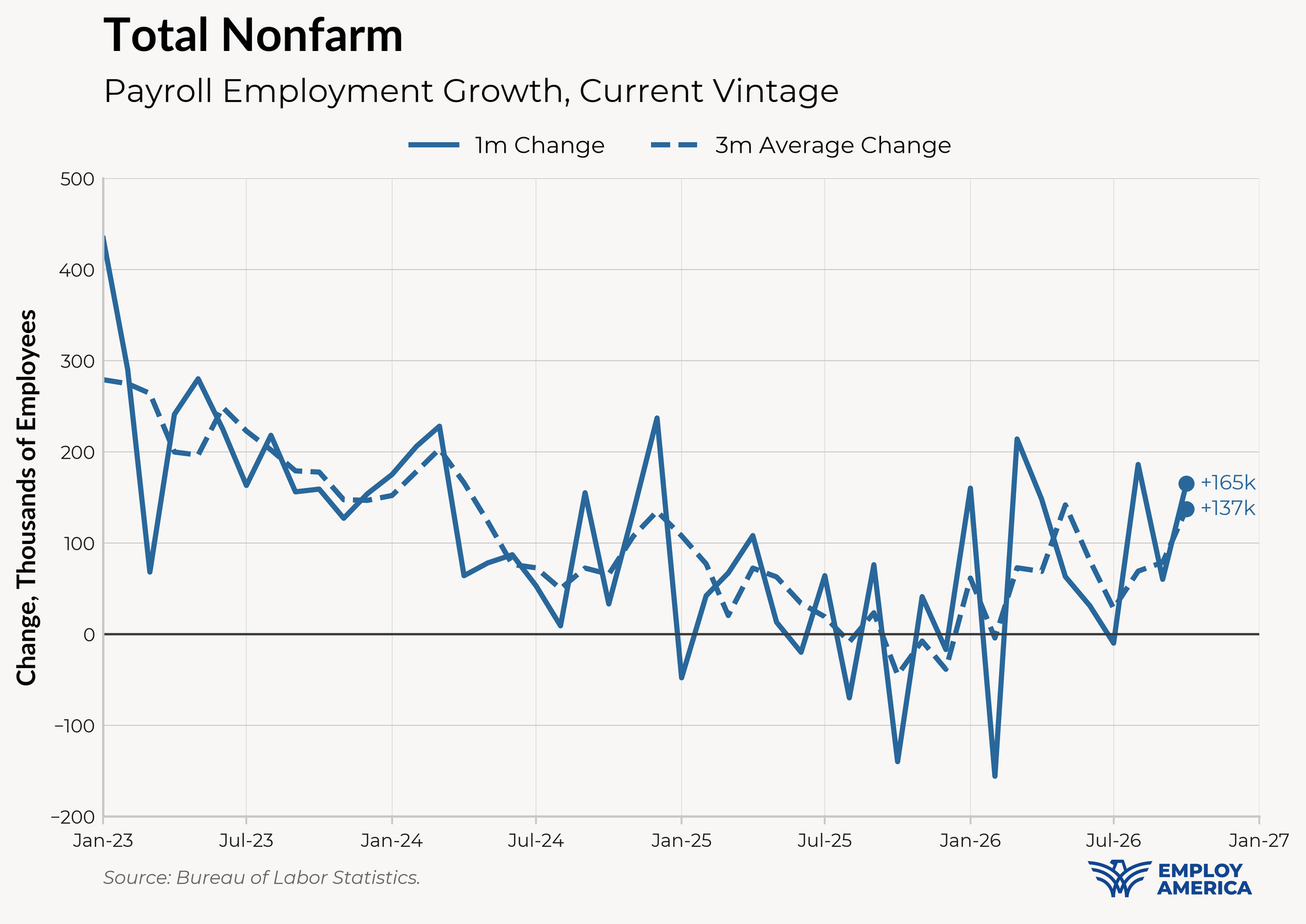
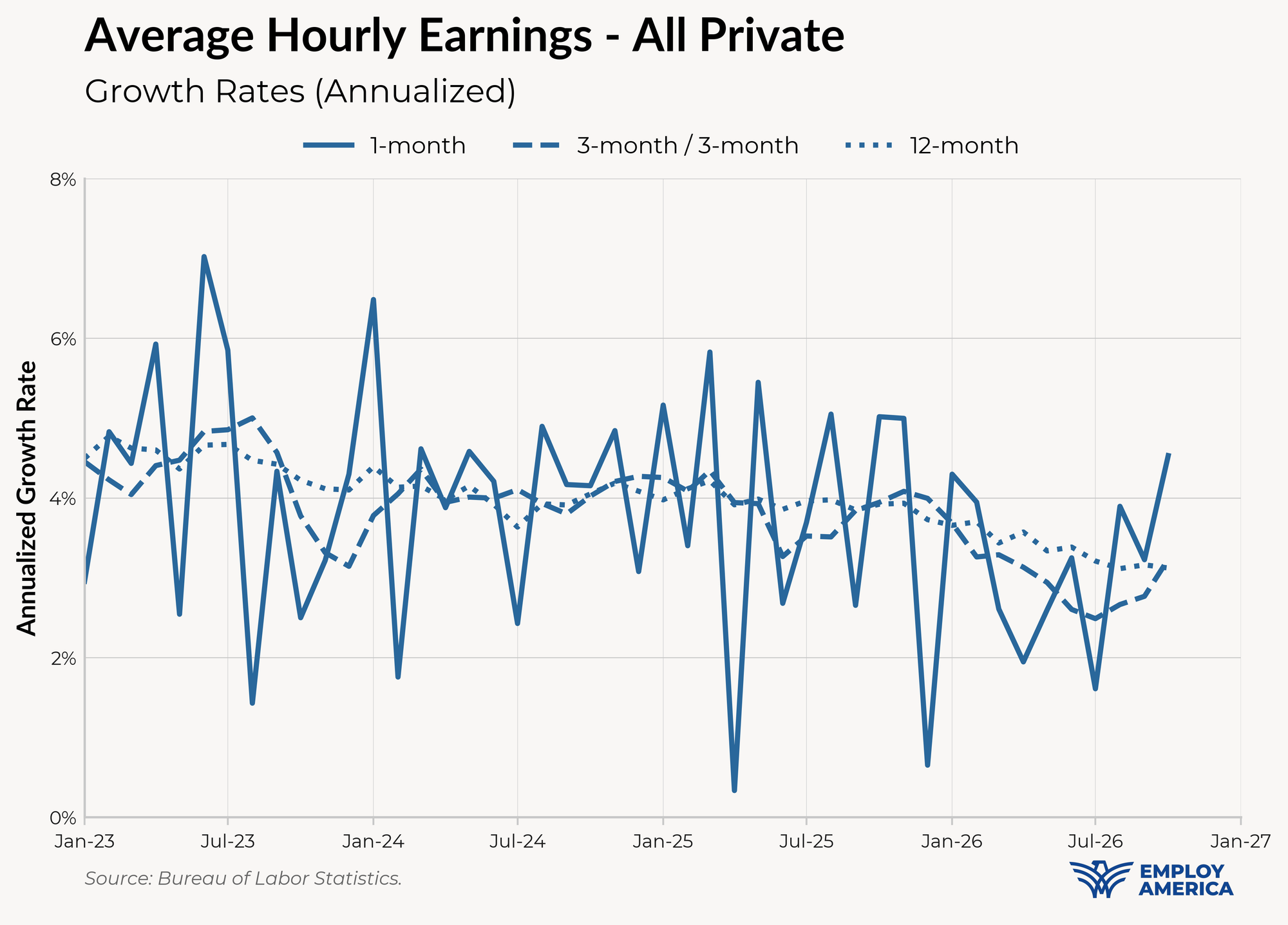
The unemployment rate fell by up by 0.03pp to 4.14% in October; the prime-age (25-54) employment rate was flat. Nonfarm payrolls came in above expectations at +165,000, with large positive revisions to the previous two months. The October payroll gains were driven by private service industries, especially healthcare, professional business services, and transportation and warehousing. Average hourly earnings increased by 4.5% annualized, bringing the 3-month annualized rate to 3.9%.
This is an unambiguously strong jobs report, and the overall trends look pretty good. Since the beginning of the year, we've seen:
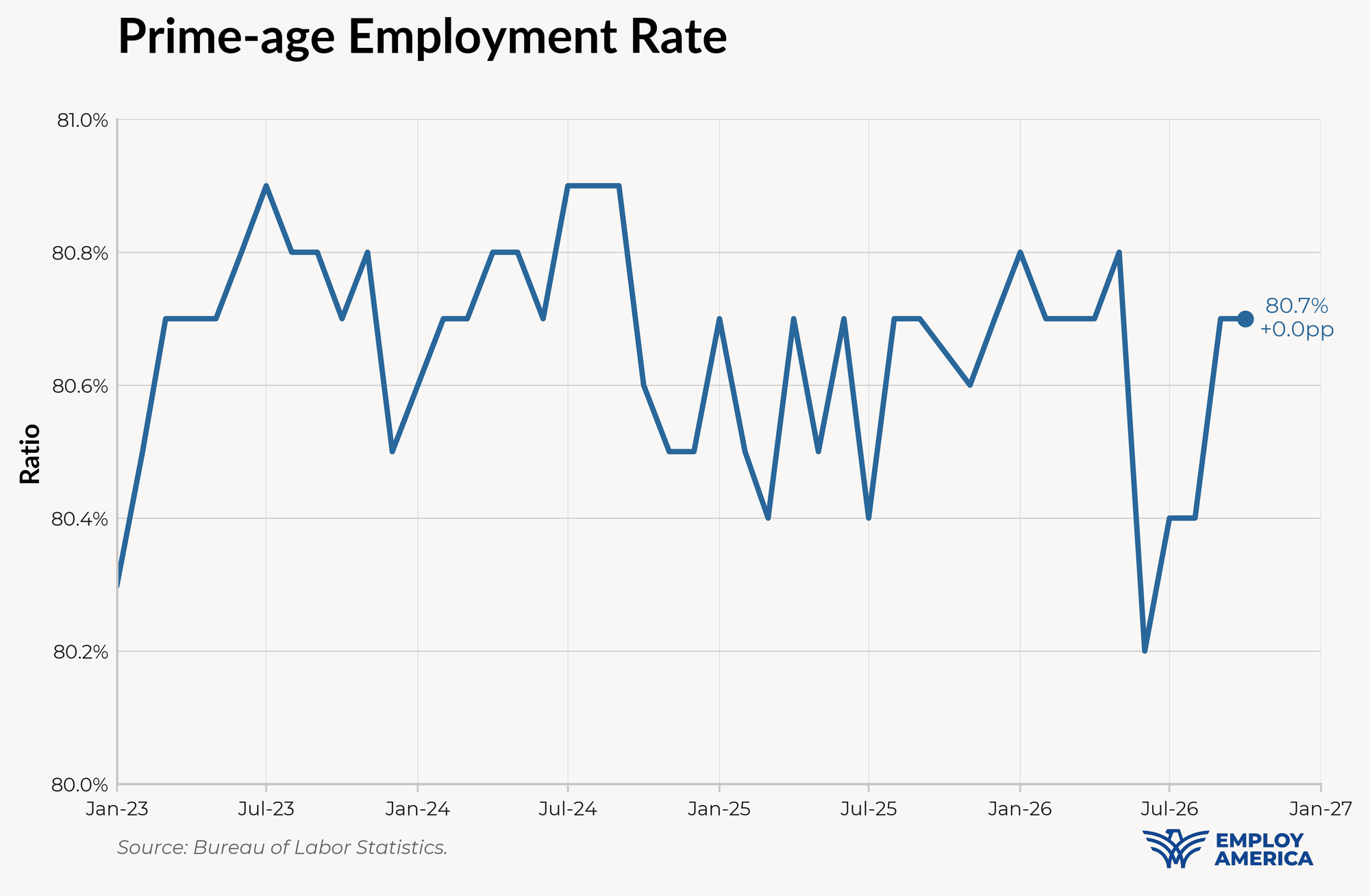
Age-adjusted employment flat, and unemployment down;
Nominal wage growth weakening earlier in the year, but possibly inflecting upwards over the past three months;
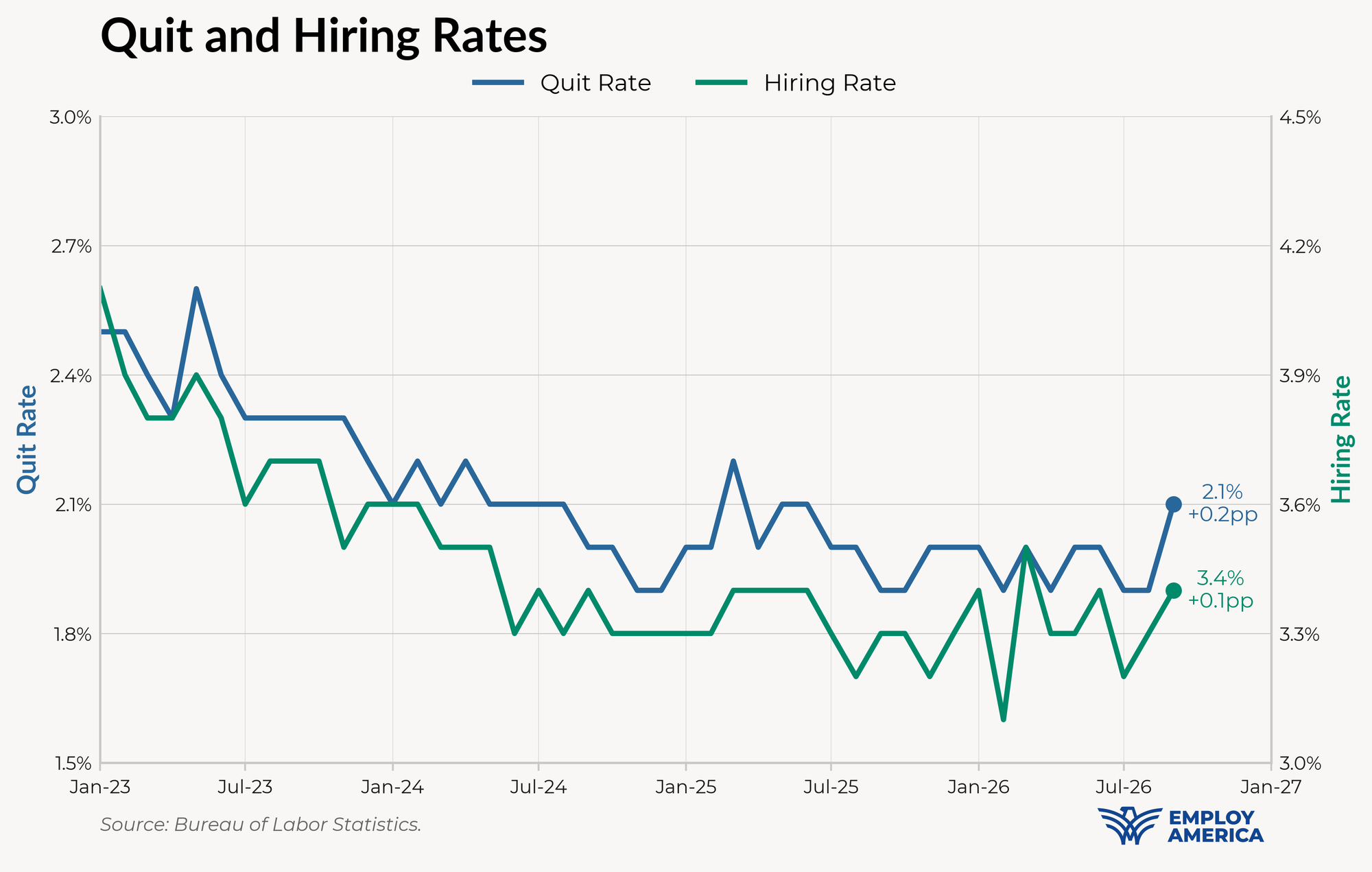
Quits and hires bottoming;
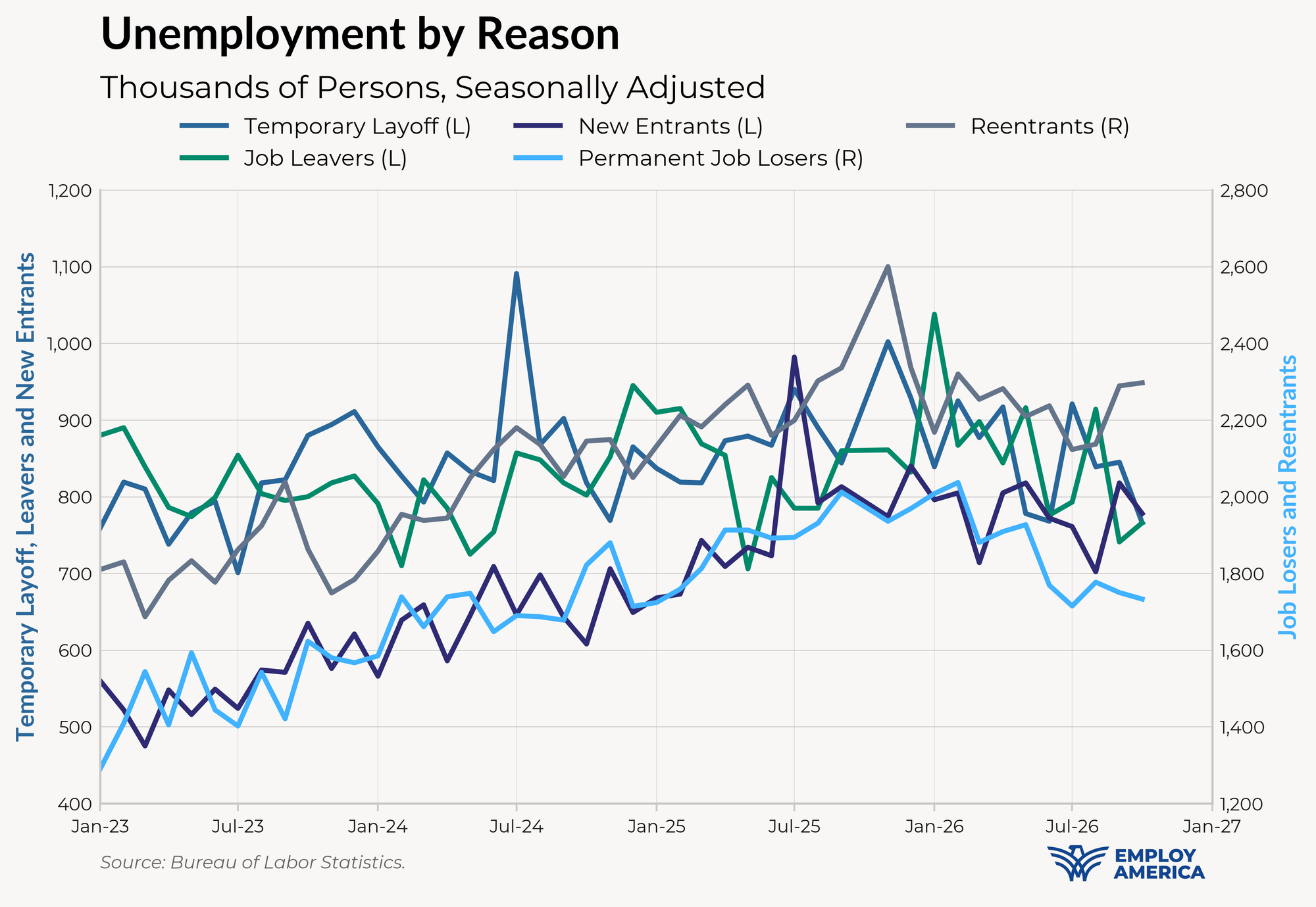
Unemployment from job loss falling;
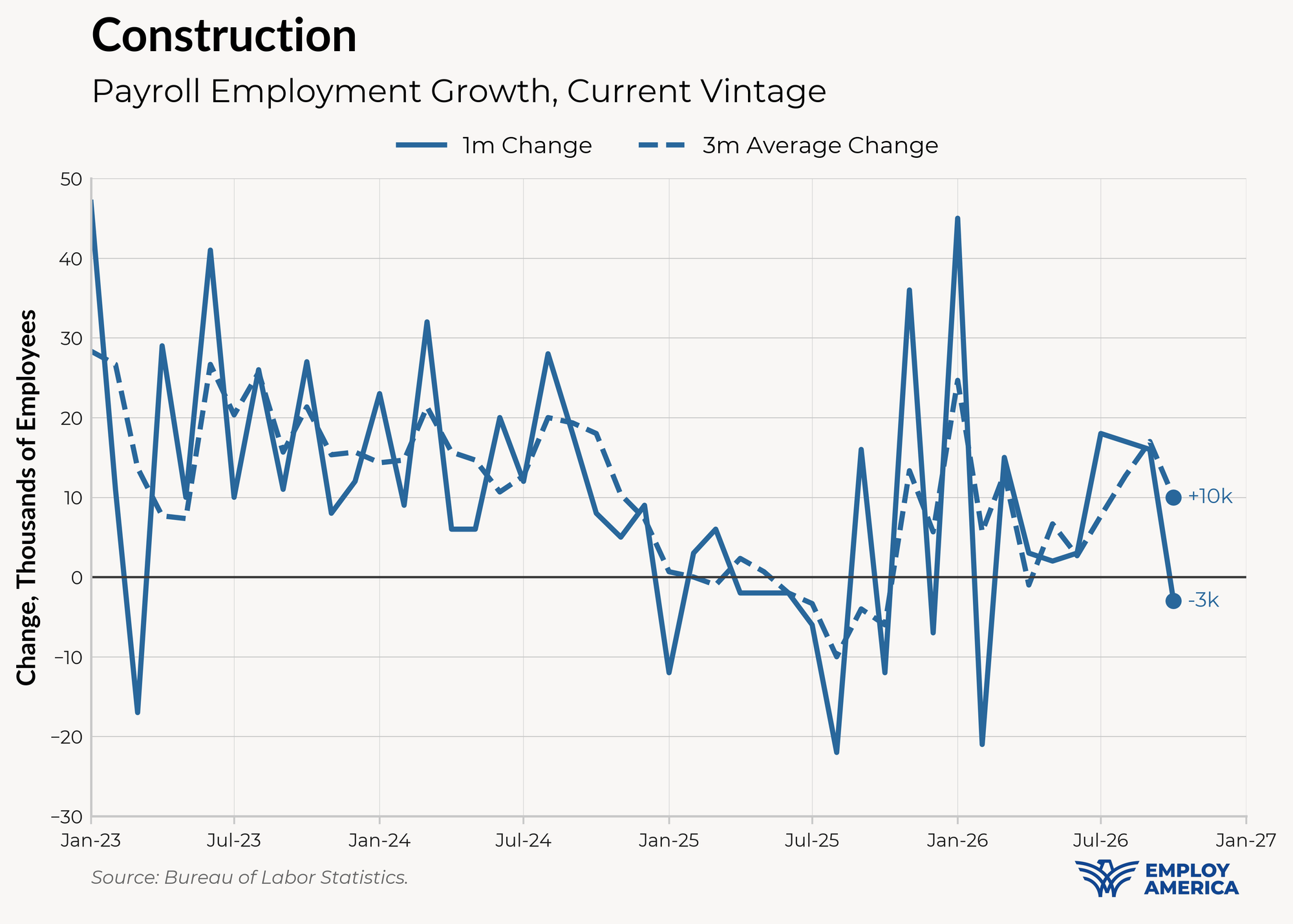
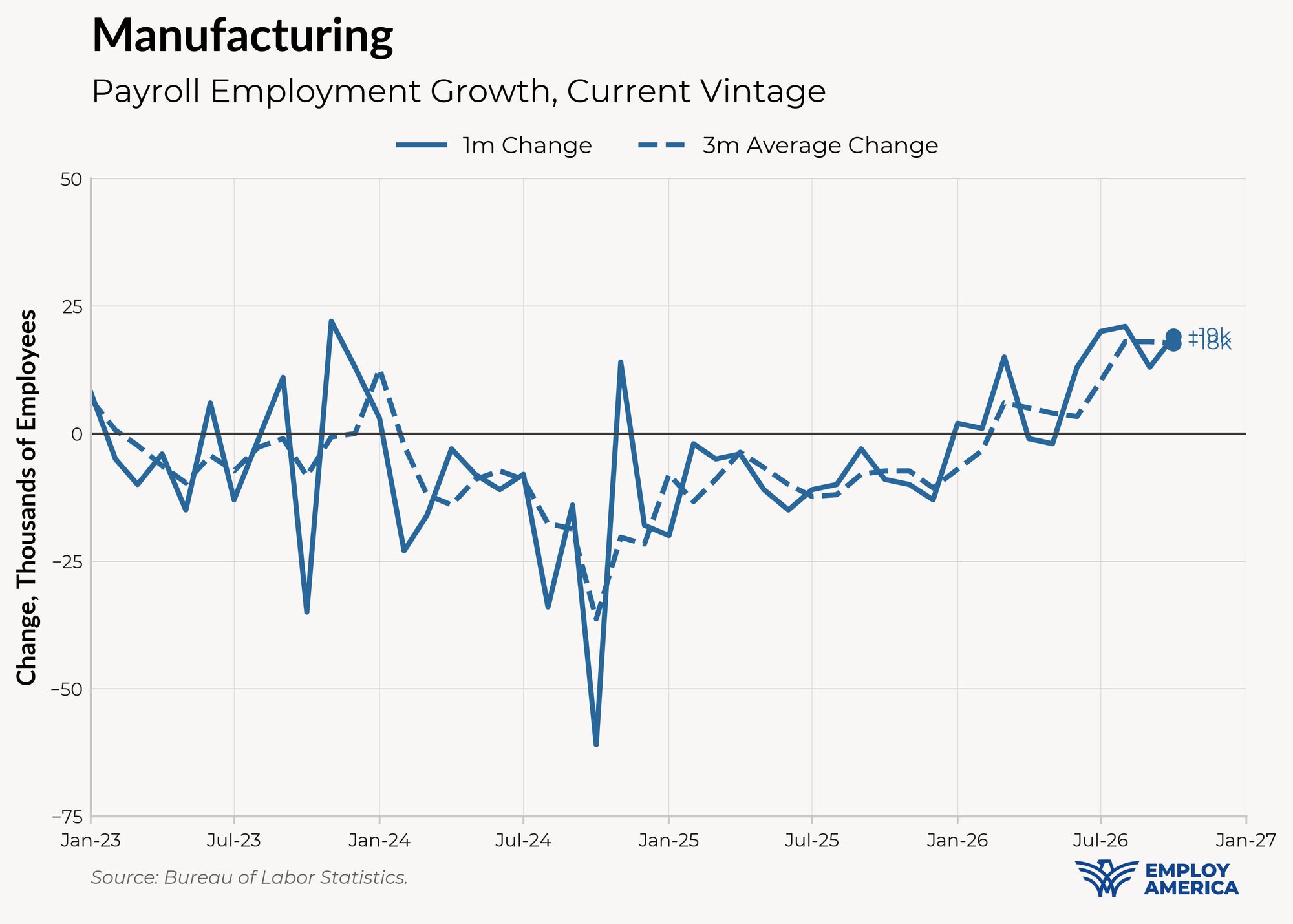
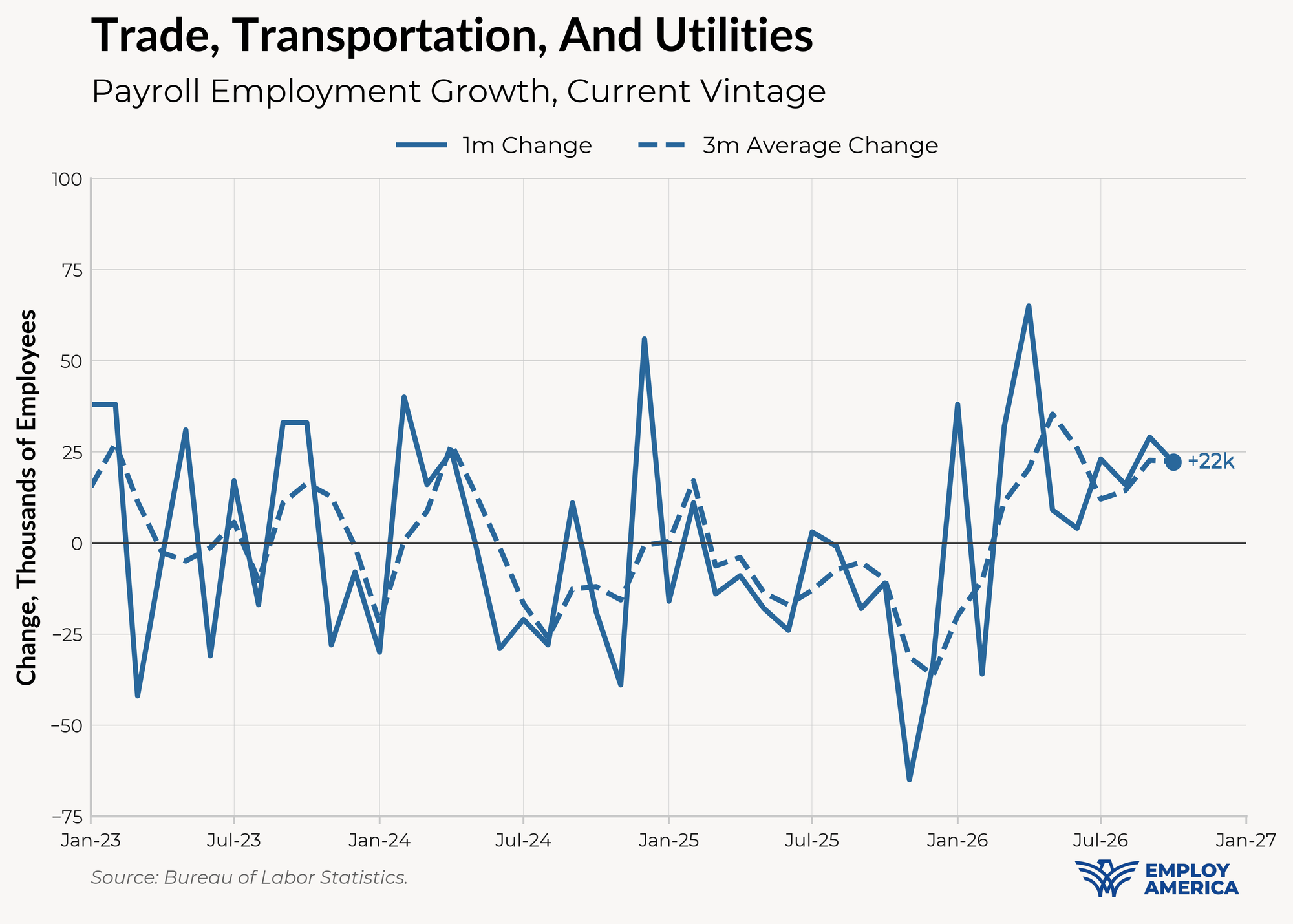
A pickup in job growth coming from industrial sectors, trade transportation and utilities, and professional and business services.
Source: Bureau of Labor Statistics, Author’s Calculations. Red indicates weaker labor market development; green indicates stronger.
Breakdown
With the strong payrolls release alongside revisions to previous months, payrolls growth has averaged averaging 137,000 jobs a month over the last three months. This is well above most estimates of breakeven employment growth, and a far cry from the net-zero jobs growth that we were seeing at the beginning of the year—a level that the Fed signaled it was comfortable with.
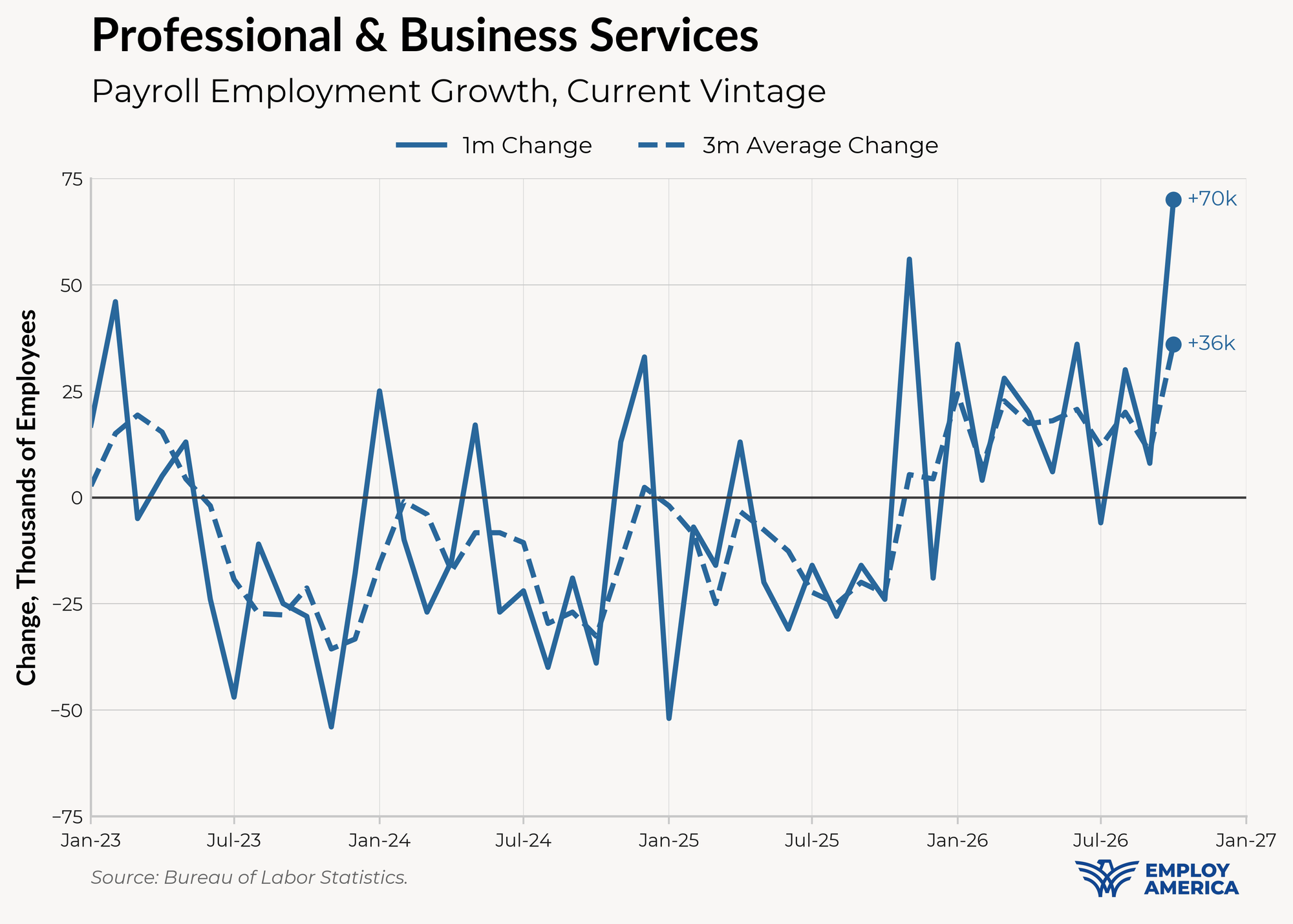
There used to be (and still sort of is) a storyline that jobs growth is all education and healthcare—sectors that are less cyclical, less rate-sensitive, and more favorable to women than men. In recent months, that has changed a lot. The pickup in payrolls growth this year has come from industrial jobs, trade, transportation and utilities, and professional and business services.
This month was especially strong for professional and business services, which added 70,000 jobs this month, the fastest rate seen in years. While this sector does include janitorial and building support jobs, about half of the gains (32,900) came from professional, scientific, and technical services, especially management, scientific and technical consulting services, which added 17,300 jobs.
Turning to the household survey, the prime-age employment rate is basically unchanged over the past year, now that the spurious drop in June (likely due to a sampling quirk) has reverted.
Meanwhile, the unemployment rate has fallen from 4.32% at the beginning of this year to 4.14%. The decline in the unemployment rate has been mostly driven by a decline in unemployed job leavers and permanent job losers, while unemployed entrants have moved sideways.
We got some welcome news on average hourly earnings this month. Last week, we noted that healthcare benefit costs were skyrocketing, crowding out wage growth. While that's still true, we have seen a recent pickup in nominal wage growth over the past three months. That's entirely consistent with a pickup in the labor market earlier in the year, since wage growth is likely to lag hiring activity.
The earlier improvement in the unemployment rate bodes well for continued wage growth pickup—but it still may be stymied by even larger health insurance premium increases next year.
Meanwhile, quit and hiring rates appear to have bottomed. Both have picked up over the last couple of months, but we would wait a few more months before calling this a sustained trend.
Despite the recent market turmoil, the strength of the labor market will suggest to the Fed that the labor market can withstand some modest policy tightening in December. Macrosuite subscribers will receive a more in-depth update to our Fed views early next week.
The link has been copied!
Your link has expired. Please request a new one.
Your link has expired. Please request a new one.
Your link has expired. Please request a new one.
Great! You've successfully signed up.
Great! You've successfully signed up.
Welcome back! You've successfully signed in.
Success! You now have access to additional content.